





Retrofitting of Old Buildings
[edit] Retrofitting of Old Buildings to Improve Structural Safety
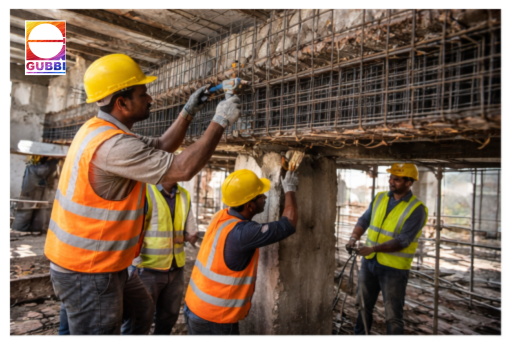
Old buildings are an important part of our cities and infrastructure, but many of them were built decades ago using outdated construction techniques and materials. Over time, structural deterioration, environmental exposure, and increased load demands can weaken these structures. Retrofitting is a modern engineering solution that strengthens existing buildings, improves safety, and extends their lifespan without complete reconstruction.
[edit] What is Retrofitting in Construction?
Retrofitting refers to the process of strengthening or upgrading an existing building to improve its structural performance, safety, and durability. It involves modifying structural components such as columns, beams, foundations, and walls to meet modern engineering standards.
In many cases, retrofitting helps buildings comply with updated building codes and seismic regulations while increasing resistance to natural hazards such as earthquakes, wind loads, and structural degradation.
Unlike demolition and reconstruction, retrofitting upgrades the existing structure, making it a cost-effective and sustainable solution for ageing infrastructure.
[edit] Why Retrofitting Old Buildings is Important?
[edit] 1. Improves Structural Safety
Older buildings may not meet modern structural design standards. Retrofitting strengthens weak structural components and improves the building’s ability to withstand loads and natural disasters.
[edit] 2. Extends the Life of Buildings
Structural retrofitting repairs deteriorated elements and reinforces load-bearing components, allowing buildings to remain functional for several more decades.
[edit] 3. Cost-Effective Alternative to Reconstruction
Retrofitting is often significantly cheaper than demolishing and rebuilding a structure, especially in dense urban areas where demolition costs are high.
[edit] 4. Compliance with Modern Building Codes
Many old buildings fail to meet current building codes. Retrofitting upgrades structural performance and ensures compliance with safety regulations.
[edit] 5. Environmental Sustainability
Retrofitting reduces construction waste and preserves the embodied carbon of existing structures, making it an environmentally responsible solution.
[edit] Signs a Building Needs Structural Retrofitting
Property owners and engineers usually consider retrofitting when the following structural problems appear:
- Visible cracks in beams, columns, or walls
- Corrosion of reinforcement steel
- Foundation settlement or structural deformation
- Water leakage and structural dampness
- Increased structural load due to renovation or additional floors
- Buildings located in earthquake-prone zones
Early retrofitting can prevent severe structural damage and potential collapse.
[edit] Common Retrofitting Techniques for Old Buildings
Structural retrofitting involves several engineering methods depending on the condition of the building.
[edit] 1. Column Jacketing
Column jacketing strengthens existing columns by adding reinforced concrete, steel jackets, or fiber-reinforced materials around them.
- Improves load-carrying capacity
- Enhances ductility and stability
- Strengthens damaged columns
[edit] 2. Beam Strengthening
Beams can be strengthened using steel plates, carbon fibre sheets, or additional concrete layers to increase flexural strength.
[edit] 3. Fibre Reinforced Polymer (FRP) Wrapping
FRP wrapping is a modern retrofitting technique where carbon fibre sheets are applied around structural members to improve tensile strength and durability.
Advantages of FRP Wrapping:
[edit] 4. Shear Wall Addition
Shear walls are added to buildings to improve resistance against lateral loads such as earthquakes and wind forces.
[edit] 5. Base Isolation Systems
Base isolation systems use rubber bearings or sliding devices between the foundation and structure to absorb seismic energy and reduce earthquake damage.
[edit] 6. Foundation Strengthening
Techniques such as underpinning, grouting, and micro-piles help stabilise weak foundations and prevent settlement issues.
[edit] Applications of Structural Retrofitting
Retrofitting is widely used in different types of buildings and infrastructure:
[edit] Residential Buildings
Older homes are retrofitted to improve earthquake resistance and structural safety.
[edit] Commercial Buildings
Offices, malls, and hotels undergo retrofitting to handle increased loads and meet safety standards.
[edit] Industrial Structures
Factories and warehouses require retrofitting to support heavy machinery and operational loads.
[edit] Heritage Structures
Historic buildings are retrofitted to preserve architectural heritage while ensuring structural safety.
[edit] Public Infrastructure
Hospitals, bridges, and schools are often retrofitted to improve disaster resilience and public safety.
[edit] Benefits of Retrofitting Old Buildings
Structural retrofitting offers numerous advantages for building owners and developers.
[edit] Increased Structural Strength
Reinforced structural components improve load-bearing capacity and durability.
[edit] Improved Disaster Resistance
Retrofitted buildings perform better during earthquakes, storms, and other natural disasters.
[edit] Higher Property Value
Upgraded buildings become more attractive to tenants and buyers due to improved safety and efficiency.
[edit] Reduced Maintenance Costs
Strengthened structures require fewer repairs and maintenance in the long term.
[edit] Sustainability
Retrofitting supports sustainable construction by minimising demolition waste and reducing environmental impact.
[edit] Retrofitting vs Reconstruction
| Factor | Retrofitting | Reconstruction |
| Cost | Lower | Higher |
| Construction Time | Faster | Longer |
| Environmental Impact | Low | High |
| Heritage Preservation | Preserves existing structures | Often lost |
| Structural Upgrade | Possible with modern techniques | Completely new design |
For most ageing structures, retrofitting is the preferred engineering solution because it balances cost, sustainability, and safety.
[edit] Future of Structural Retrofitting
With increasing urbanisation and ageing infrastructure, structural retrofitting is becoming a key part of modern civil engineering. Advanced materials such as carbon fibre composites, high-strength concrete, and smart monitoring systems are making retrofitting more effective and reliable.
Governments and engineering professionals are increasingly focusing on retrofitting to create earthquake-resistant, energy-efficient, and sustainable buildings for the future.
Retrofitting of old buildings plays a vital role in improving structural safety, extending building life, and ensuring compliance with modern construction standards. By using advanced strengthening techniques such as column jacketing, FRP wrapping, shear walls, and foundation reinforcement, engineers can transform aging structures into safe and durable buildings.
For property owners, developers, and infrastructure planners, investing in structural retrofitting is not only a cost-effective decision but also a sustainable approach to protecting lives, property, and the built environment.
[edit] Related articles on Designing Buildings
- Alterations to existing buildings.
- Do the building regulations apply to works to existing buildings?
- Demolition.
- Material amendment.
- Material change of use.
- Minor material amendment.
- Non material amendment.
- Change of use class.
- PAS 2038:2021 Retrofitting non-domestic buildings for improved energy efficiency.
- Planning permission.
- Permitted development.
- Principal designer.
- Renovation v refurbishment v retrofit.
- Retrofit.
- Retrofit projects and roles.
- Types of work to existing buildings.
[edit] External links
https://gubbicivilengineers.com/rcc-column-jacketing-services/